Pickleball Training Paddle 16mm for Sweet Spot Drills
You know that one game where your third-shot drop feels amazing for five minutes, then suddenly every dink sounds like you hit the ball with a frying pan? Yeah. That’s exactly where a good training paddle earns its keep.
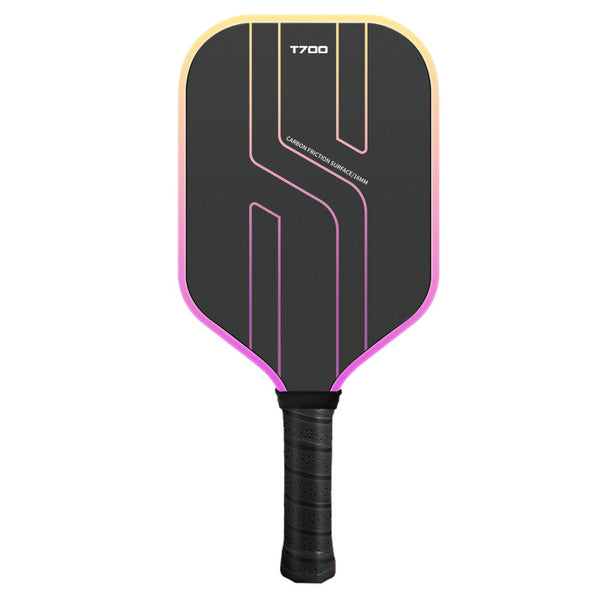
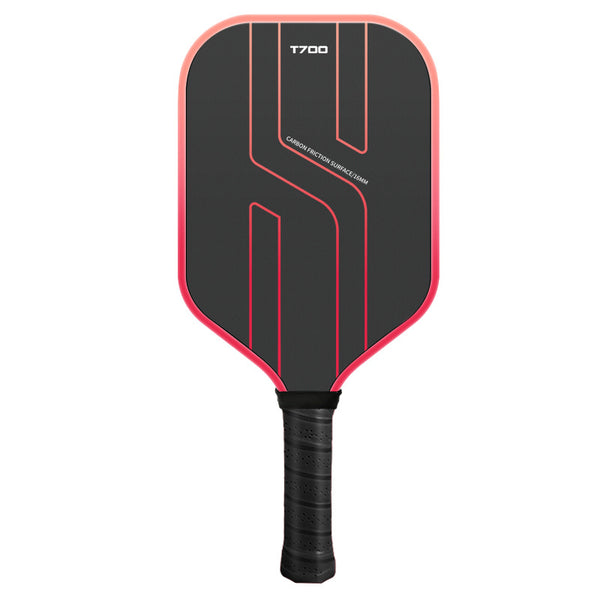
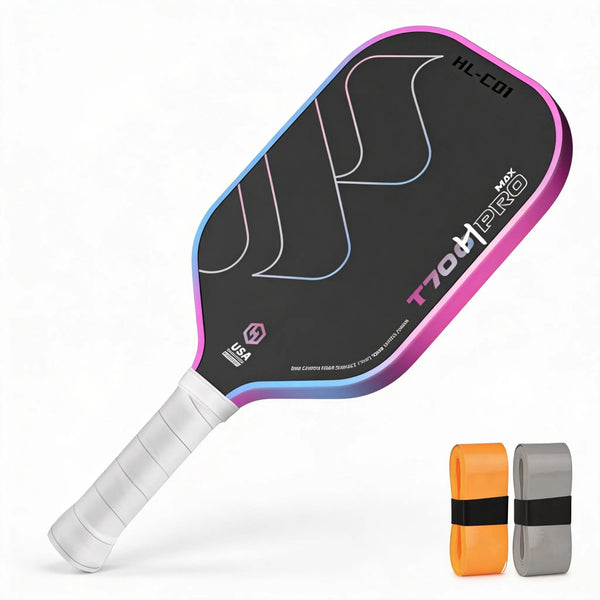
The PickleballDoor training pickleball paddle was built for sweet spot training, cleaner contact, and better habits without turning practice into a gimmick. It’s a true pickleball training paddle, not just a toy-sized mini paddle that feels nothing like your regular setup. We made it with a smaller hitting surface, a real 16mm build, and a shape that still gives you a natural swing path. So when you go back to your normal pickleball paddle, the court feels a little bigger, your hands feel quicker, and finding the sweet spot stops feeling like luck.
Why this pickleball training paddle feels legit
A lot of pickleball training gear looks clever online, then shows up and feels like something from a middle-school PE closet. Foam paddles, weird balance, toy handles. Not helpful.
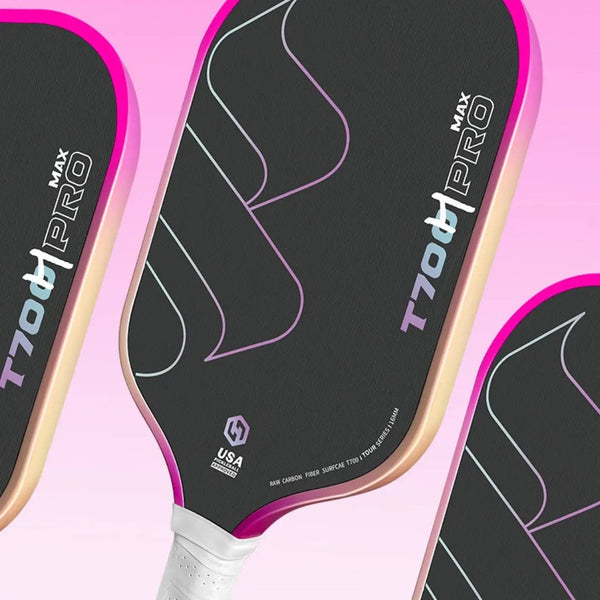
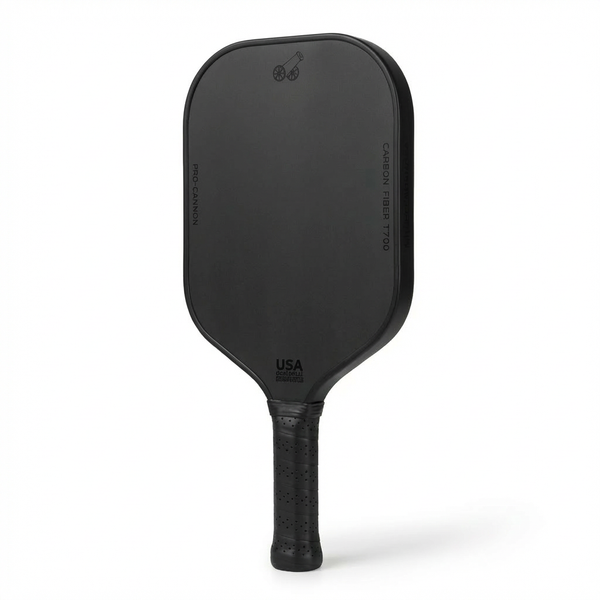
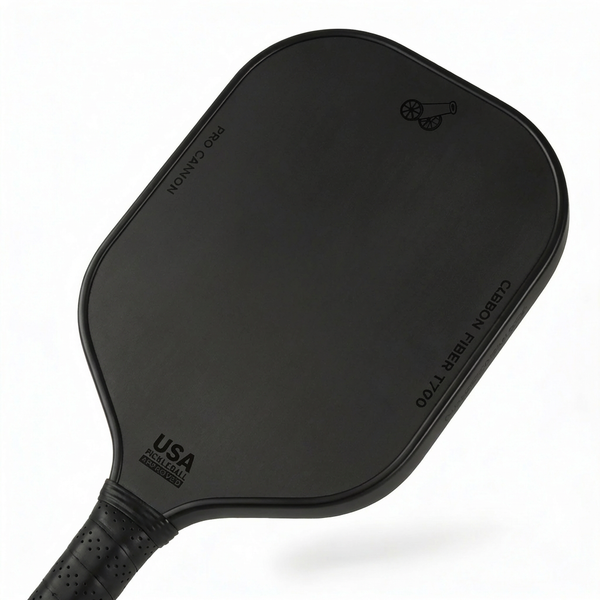
This PickleballDoor sweet spot training paddle was designed to feel closer to a real paddle in the hand. It uses a T700 raw carbon fiber surface over a 16mm polypropylene honeycomb core, so the feedback is crisp instead of mushy. That matters. If you’re doing wall drills, dink reps, or fast-hand volley work, you want a training aid that tells the truth. Mishit it, and you’ll know. Catch the middle clean, and you’ll know that too.
We also went with a long handle / slightly elongated handle setup so players who use a two-handed backhand don’t feel cheated. That’s one thing some competing trainer paddle options get wrong. They shrink the whole thing and call it “training.” We didn’t. The point here is sweet spot trainer work that still feels connected to your normal swing, not random hand-eye chaos.
Best pickleball training use cases, drills, and who it fits
This is where the PickleballDoor pickleball trainer really makes sense: players who already practice a little and want better contact on purpose.
If you’re a beginner, this practice paddle can help your hand-eye coordination and teach you to hit the sweet spot earlier. But honest opinion? Don’t use it for every session. A smaller paddle face can get frustrating fast if you’re still learning basic timing. Mix it into short drills. Ten minutes of sweet spot training, then go back to your regular paddle.
If you’re a 3.0 to 4.0 player, this thing is fun in a slightly evil way. Dink crosscourt with it for five minutes, then switch back. The standard paddle suddenly feels generous. Same with quick volley exchanges and reaction drills. We’ve seen players use it for:
- wall drills for cleaner contact point
- dink and volley reps
- hand speed work at the kitchen
- reset drill sessions
- warm-ups before rec play
- pickleball trainer practice for two-handed backhands
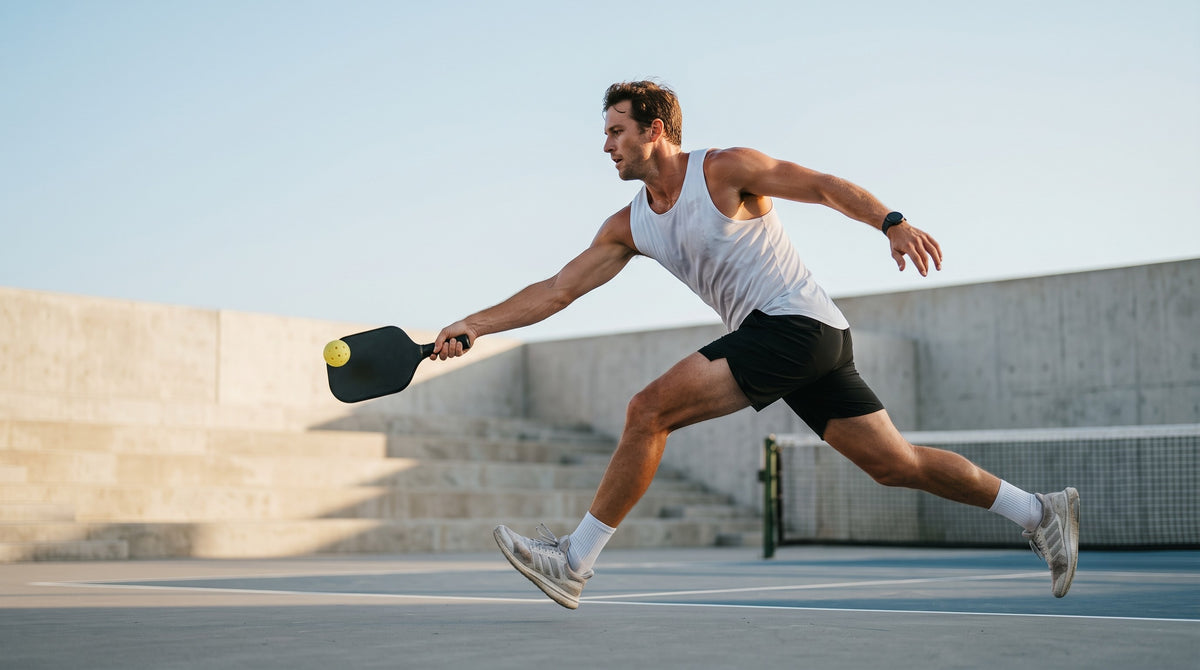
Because the face is smaller, your swing path has to stay cleaner. You stop reaching. You stop slapping. You start moving your feet a little better—annoying, but true.
It’s also a solid fit for advanced players who want more precise control and spin work. The raw carbon / carbon fiber surface gives useful feedback, especially on dinks and blocks. If you’re just looking for a paddle to blast drives in open play, though, this isn’t that. It’s a training tool. Use it like one, and it helps.
16mm raw carbon fiber build and honest comparison
Here’s the technical stuff, minus the brochure voice.
The PickleballDoor training paddle 16mm uses a 16mm core with a polypropylene core / polypropylene honeycomb core construction and a T700 carbon fiber face. That means it has more real-paddle feel than cheap foam-core trainers. The texture on the raw carbon fiber surface also gives better bite than slick plastic practice gear, so your touch shots and spin reps feel more relevant to actual play.
Compared with a Franklin sweet spot or Franklin Sports sweet spot training style paddle, ours feels more like a serious paddle and less like a novelty training equipment piece. Franklin’s trainer gets points for being recognizable and easy to understand. But a lot of players tell us it doesn’t fully match the feel of their everyday setup. The PickleballDoor version leans harder into realistic weight, cleaner feedback, and a more natural transition back to a standard paddle.
Compared with a True Shot training paddle or other sweet spot trainer options, ours is a bit more demanding in feel, which we actually like. The weakness? It’s not the easiest trainer on day one. If you’re expecting instant confidence, this can bruise your ego a little. Also, like most trainer paddle models, it’s not meant to replace your match paddle or serve as your all-day rec weapon. That’s not a flaw. That’s the assignment.
Who’s using sweet spot trainers and what we keep hearing
Lately, more players are showing up with a practice pickleball paddle in their bag right next to their main stick. Not because it looks cool—honestly, a smaller paddle just makes people ask weird questions—but because it works.
One of our local groups started using the PickleballDoor paddle trainer during warm-ups. Five minutes of dinks, blocks, and fast volleys. Then everybody switches back to a normal pickleball paddle. The comments are almost always the same: “Why does my regular paddle feel huge now?” That’s the whole point.
A 4.0 player near us uses it for reaction time work and hand battles. Another guy, newer to the sport, uses it against a wall because his off-center hits were all over the place. After a couple weeks, he wasn’t magically transformed—let’s stay sane—but his muscle memory got better and his resets stopped floating as much.
It also says something about the player using it. Usually, they care about details. Contact point. Compact swings. Better dinks. Better volley control. They’re not buying random gear to look busy. They want a pickleball trainer that actually helps players improve control, not just wave around a tiny racket for social media.
Conclusion
The PickleballDoor training pickleball paddle is for players who want honest feedback, sharper contact, and a better feel for the sweet spot—without practicing on something that feels like a toy. The smaller face makes you focus. The 16mm polypropylene honeycomb core and T700 raw carbon fiber build make that focus transferable to real play.
Is it forgiving? Nope. That’s kind of the point. But if you use it for short, smart pickleball training sessions, then switch back to your match paddle, the payoff is pretty obvious. Cleaner dinks. Quicker hands. Fewer mystery mishits.
If that sounds like your kind of practice, grab one from PICKLEBALLDOOR while stock is in. Worst case, your friends laugh at the tiny face for ten seconds. Then you start winning more kitchen hands battles, and somehow the jokes stop.