Why This 16mm Carbon Fiber Pickleball Paddle Actually Matters
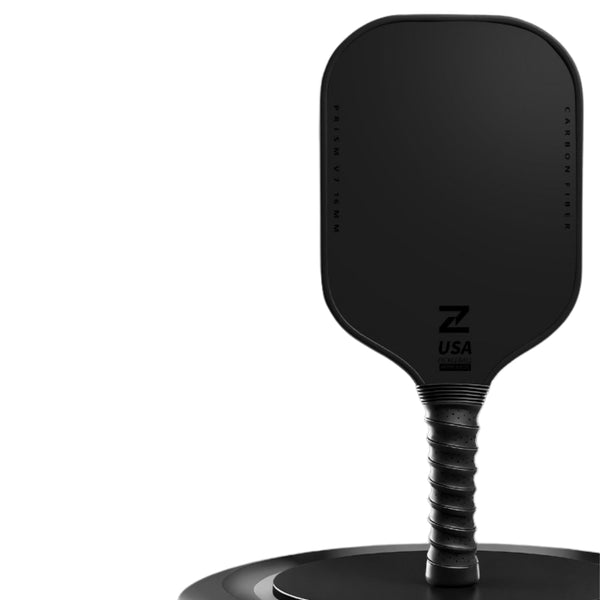
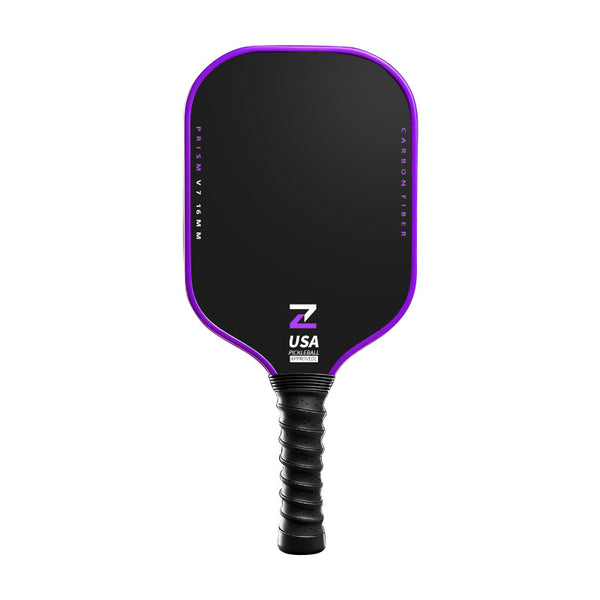
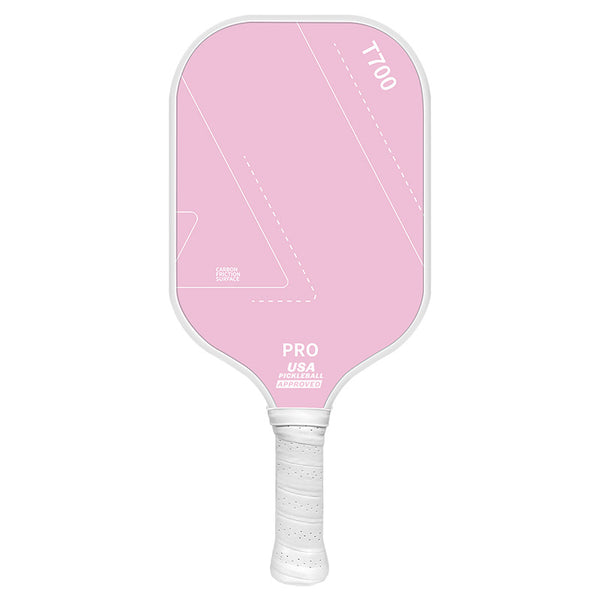
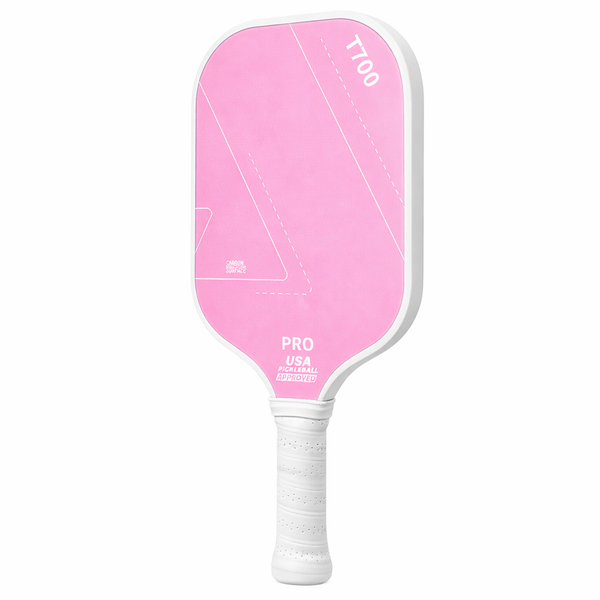
So, funny thing—last Thursday, I lost (again) when my trusty fiberglass paddle just couldn’t keep up. Three soft dinks floated out, then my drives started popping high. I caved and “borrowed” Janine’s new 16mm carbon fiber pickleball paddle—the real T700 raw carbon fiber surface, beefy core, all that. Wow. It’s not just pro hype; it feels like you’re stealing extra control out of thin air. No, it doesn’t win points for you (if only), but on-court, the difference is obvious—could be your next regular gear upgrade. If you ever play at weird hours (I do, dawn crew…), you’ll notice how this paddle’s performance keeps up, no matter how cold or humid. Actual magic? No. Just unreal touch, generous sweet spot, and enough pop to surprise cocky bangers.
What Makes This Paddle Different (Besides Not Looking Like a Garage Project)
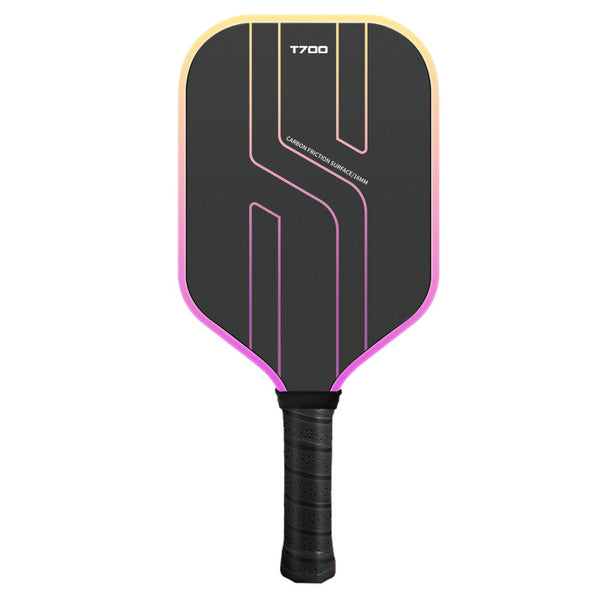
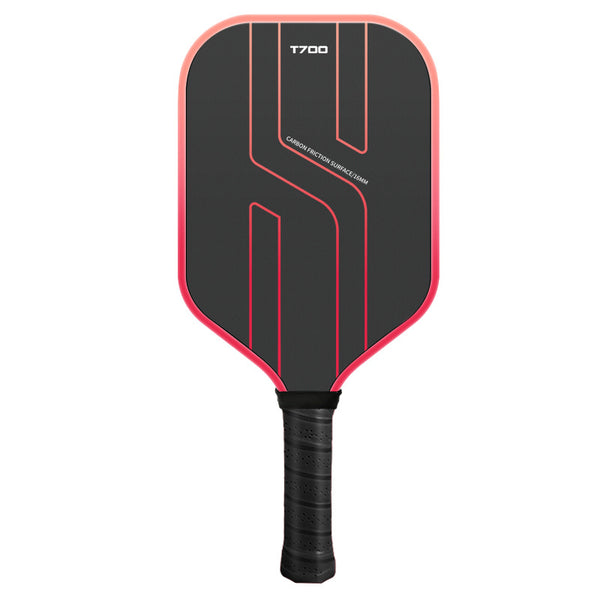
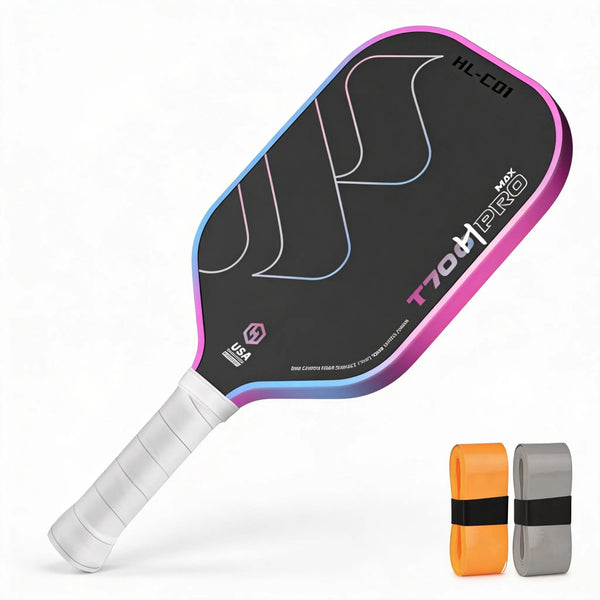
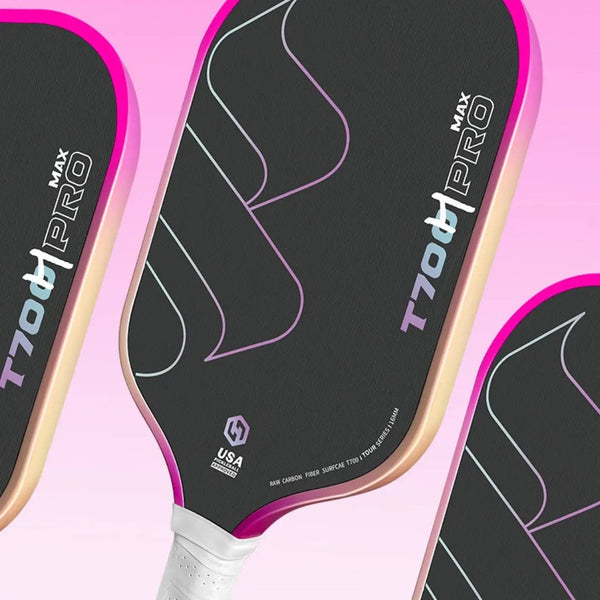
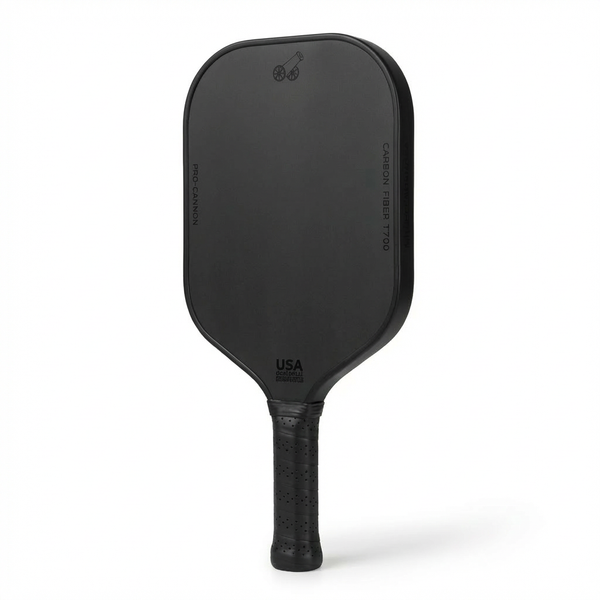
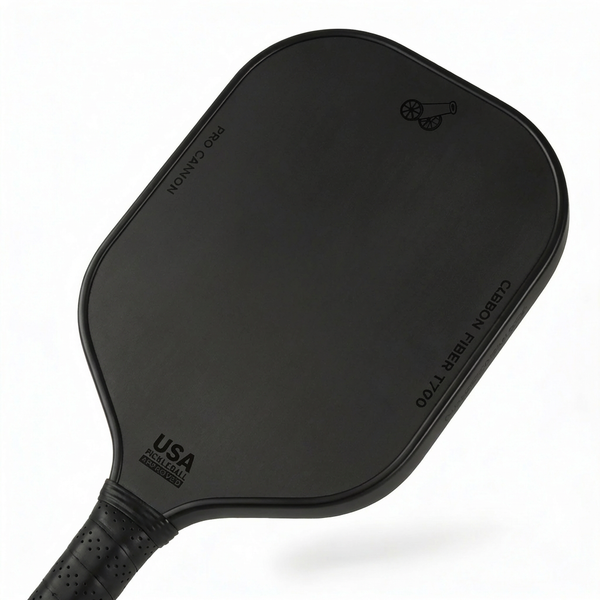
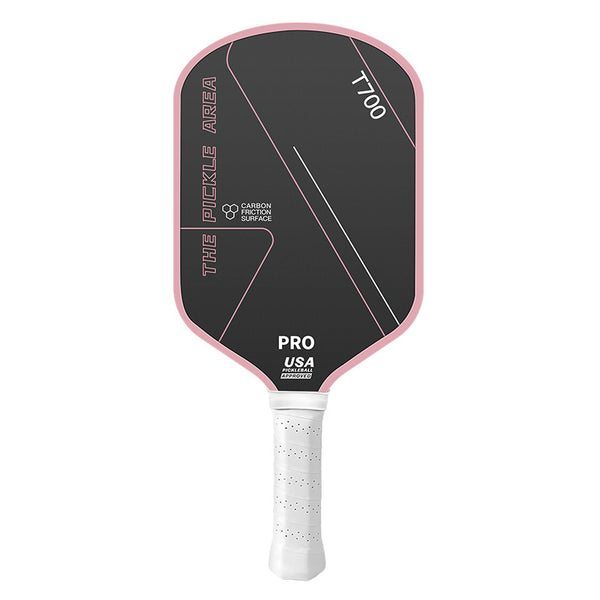
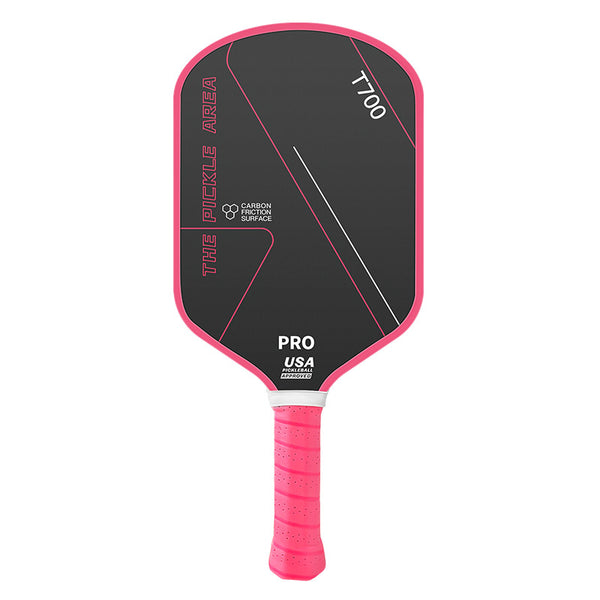
Okay, some paddles feel like they were cooked up in a middle school shop class. Not this one. This 16mm carbon fiber pickleball paddle rocks a T700 raw carbon fiber face—that’s not marketing gibberish, it actually means more grab on the ball (think: spin for days, not fluffed dinks into the net) and the kind of pop that wakes you up after too much post-match pizza.
The 16 mm core isn’t just there to look fancy—it’s polypropylene honeycomb construction, giving you both stability and forgiveness when you need it. The sweet spot is massive (seriously, borderline cheating vibes), so you don’t have to hit it perfect every time. You’ll really notice this in wild doubles games when your partner “oopsies” a lob and you still somehow save it.
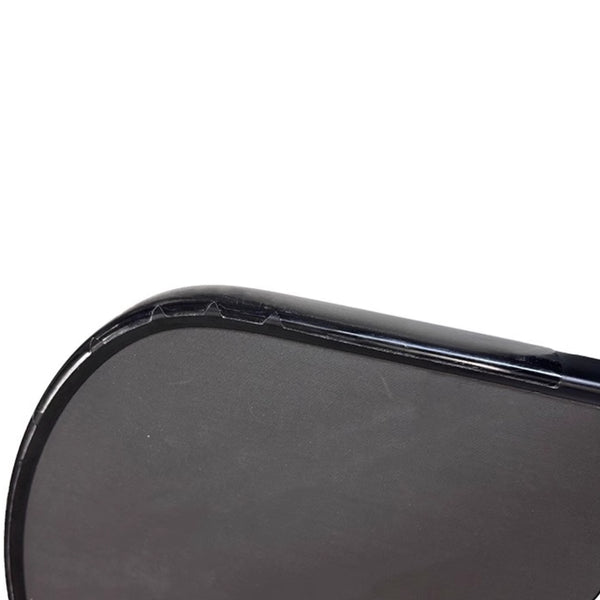
And, oh—the edge guard is snug, not chunky, so it doesn’t snag mid-swing but still protects when you dive for those sideline dinks (been there way too often). Immensely durable, and the handle? No tennis elbow after two hours, even if you’re a serial slicer. Real talk: construction feels premium at this price, especially compared to the weirdly “waxy” fiberglass paddles from the big box brands.
Who This Paddle Is Actually For (And When to Skip It)
Look, this isn’t your grandma’s beach paddle, but also not “only pros apply.” This carbon fiber pickleball paddle just shines most during competitive rec matches or local tournaments—honestly, pretty much anywhere you play to actually win, not just get steps in. If you’re learning dinks, this 16 mm thickness actually forgives off-center hits (perfect for those “growing pains” days). Intermediate players get max value—you’ll notice the advance in spin and stability almost right away. If you’re an advanced player (like, you named your car after pickleball gear), the flat but responsive surface gives that edge for precise blocks and spin control, especially against bangers or chop-serve specialists.
Casual doubles with the partner who over-swings? You’ll love the sweet spot width here. Rainy league night? Still grippy, even when you towel off every few points. Downside: if you’re obsessed with featherweight paddles, this isn’t the lightest (it’s right around 7.9-8.2oz)—but that actually stabilizes fast hand battles.
Skip if you want an old-school “ping” or just want padding for pickleball kids’ classes. This is real-deal equipment.
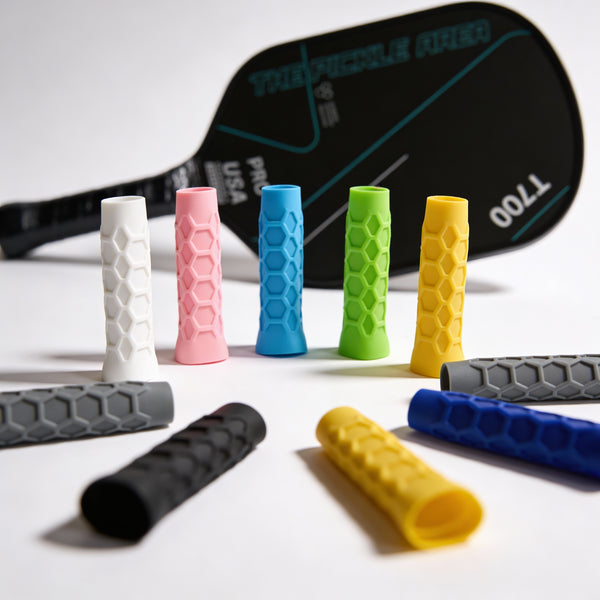
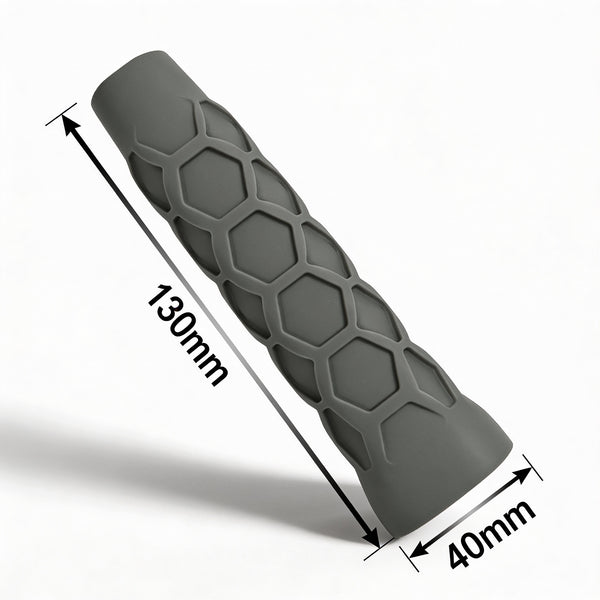
Combo move: team this paddle with a tacky overgrip for humid games or a premium pickleball ball to fully see the spin you can unlock.
Feature Breakdown—Does the Hype Match Up After Real-World Testing?
Here’s what nobody tells you before you commit: T700 raw carbon fiber really does change the touch. After about 12 hours of court time, I noticed my dinks held the line tighter (less accidental floaters). The ball grabs the carbon fiber surface for extra spin—the first few blocks will make you cackle, especially after a long rally where you’re both gassed.
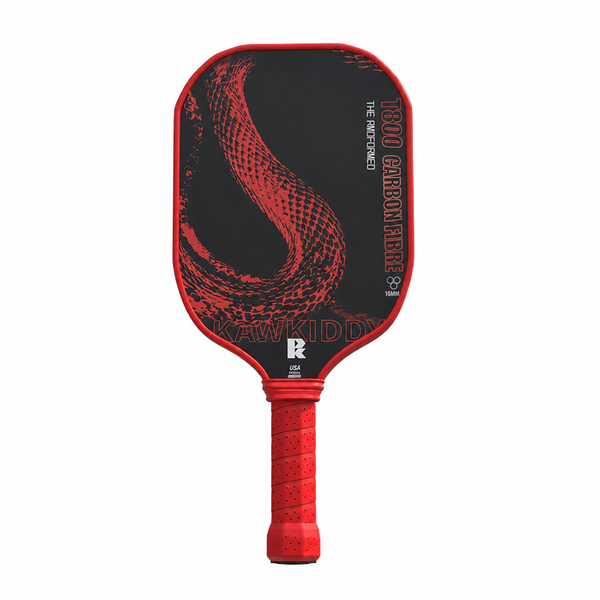
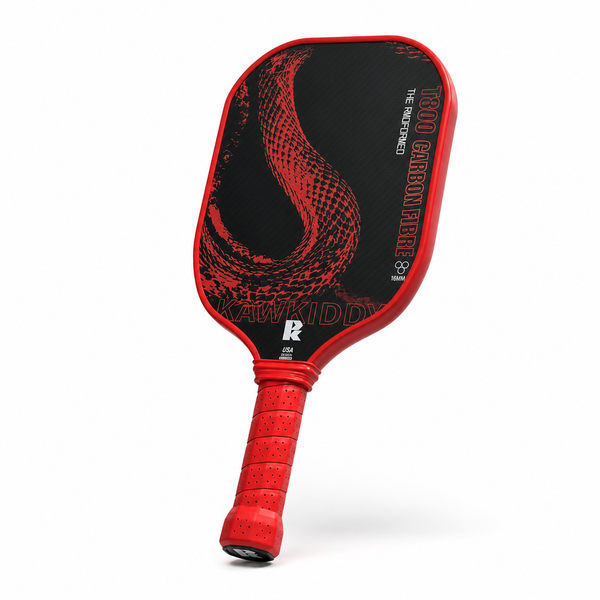
The edge: This 16 mm core is thick enough for stability, so off-center smashes don’t rattle your wrist—and no, it doesn’t sound like a frying pan when you hit hard (looking at you, cheap composite paddles). Compared to the latest t800 carbon fiber pickleball paddles, I’d say spin is a touch less dramatic but the control is way better—tradeoff depends on your play style. Durability? I scraped it along rough court paint by accident and expected a gnarly chip… almost nothing. Browse reviews from other players at the club—they’ll back up the consistently solid performance and how it delivers for competitive nights. And—yes, it’s actually USAPA approved, because that matters now more than ever at open play.
Minor flaw: super humid days can make the grip tacky, so slap on a sweat-absorbing grip if you’re in Florida. It’s no spaceship, but it’s leagues ahead of generic fiberglass “try me” models.
Who’s On-Court With This Paddle (And Why It Matters)
If you’ve seen the guy in your club who has four different paddles, he probably owns a version of this one. It’s a favorite with advanced players and tournament regulars, but I keep seeing casuals try it and suddenly realize, “oh, that’s what spin feels like.” Honestly, my 70-year-old doubles partner snagged one and says her net shots finally stopped dying early—talk about versatility.
You’ll spot this paddle courtside during local qualifying rounds, but also at sweaty after-work games where people test gear and swap stories. Paddle nerds love breaking down the 16mm core thickness difference, comparing it to last year’s models, while beginners just like the stability and easy sweet spot for return shots.
Owning this paddle is like joining the club of folks who pay attention—a little smarter, a little more obsessed, maybe, but always the ones who lift others’ games and don’t mind sharing equipment to prove a point (just, please, return it in one piece?).
So, Recap—Is This 16mm Carbon Fiber Pickleball Paddle Worth Trying?
Totally. If you want a paddle that’s actually designed for real players chasing control, touch, and consistency, not just flashy colors or hype specs, this is the one. The carbon fiber face, stable 16 mm core, sweet spot that’s forgiving but lively—it’s a formula that just works. It won’t fix your dinking game magically (trust me), but it’ll give you all the tools to practice and actually notice the difference, especially as you mix in hard drives and soft blocks.
I’ll still lend mine out—but not for long, because stock runs out fast with these. Test it at your home club, see if it fits. Then invite me to your winning side. Or—if it’s not your vibe, at least you’ll have a real story for coffee next time. Because that’s what pickleball is—sharing good gear, honest advice, and a few extra points when it counts most.