Black Pickleball Paddle: The Honest, No-Nonsense Review
Court’s quiet. Sun’s out. You’re gripping your paddle—solid, black, maybe a little intimidating (you hope). But let’s be real: most of us are praying for a sweet spot and a price that doesn’t make you drop your lunch. At PICKLEBALLDOOR, we’ve tried everything—from Selkirk Labs’ futuristic foams to budget Amazon oddities—so you don’t have to waste weeks (and half your play money) finding a pickleball paddle that works. So, what’s the deal with black paddles—and is “Full Black” more than just a cool name? Grab a snack, pull up a chair. Let’s get honest.
How Is This Black Paddle Actually Made? [Design Backstory, Materials, and Approach]
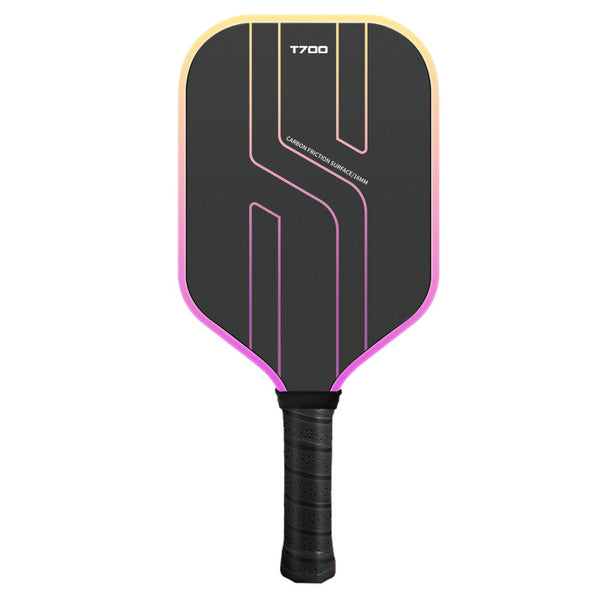
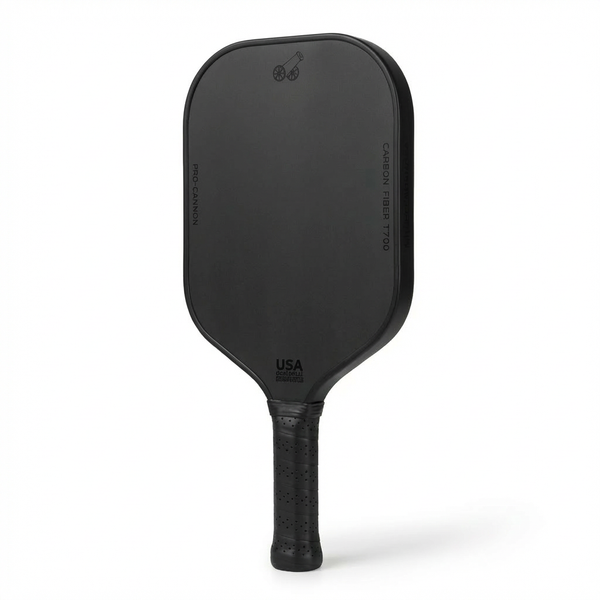
Here’s what you really want to know: Why would you pick a "black pickleball paddle?" Let’s walk the court. Some players fall for pretty colors. We say—black is classic. Sometimes, intimidating, too (that, or it hides the scuffs from wild tennis friends).
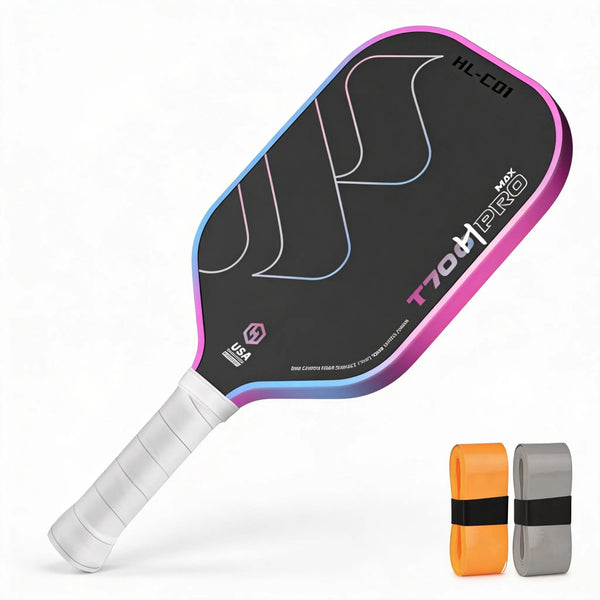
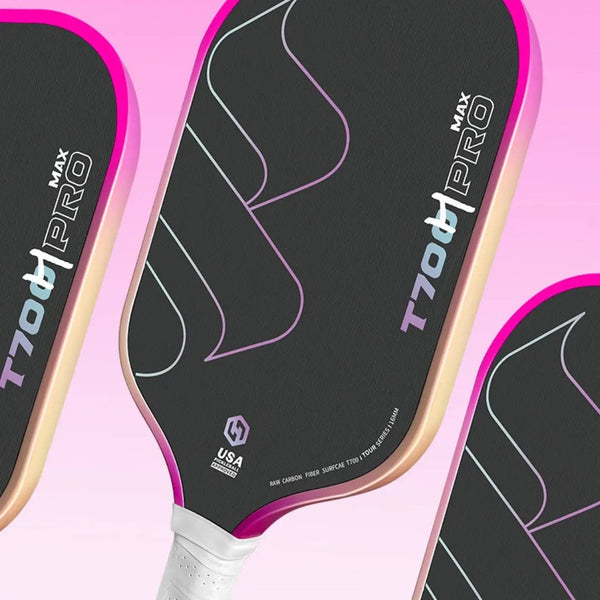
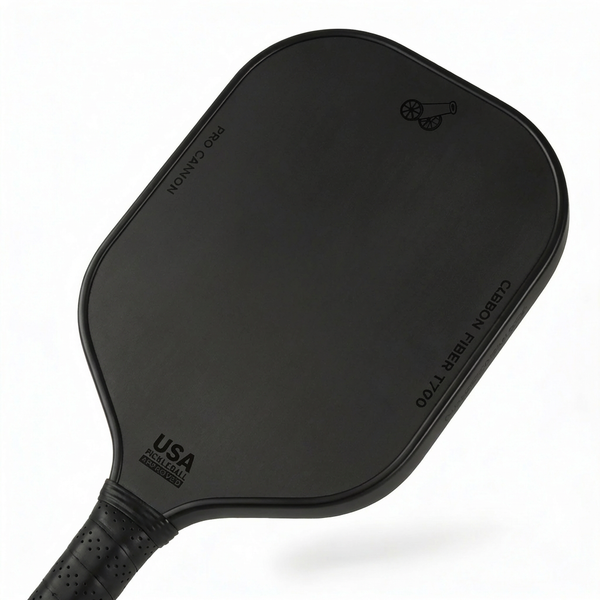
This paddle’s built with a carbon fiber face, not just for show but for sweet spot consistency and that hint of plush feel advanced players drool over. It’s not as wide as old-school widebody paddles, but has a slightly elongate shape—hello, extra reach at the net. And the foam core? It’s there for dwell time (how long the ball sits on the paddle), giving you added control during those “oh-no-I-must-dink!” moments.
Compared to Selkirk paddles (think: double black diamond control, fancy molding), or the Six Zero Black Opal, this sticks to basics: durability, a smooth textured playing surface for spin (not RPM Friction Pro-level, but close), and just enough power and control. No expensive promises. Just real function.
Is This Paddle Right for You? [Fit, Player Level, Honest Advice]
So, does this paddle meet every need? Not for everyone. It’s a solid “intermediate paddle” or a forgiving first paddle for tennis players making the switch. Beginner-friendly? Absolutely. It’s got a wide sweet spot and isn’t so heavy you regret third-game doubles. Great dwell time for blocks, and enough bite on the surface for spin and power (no, you won’t suddenly get a joola Pro’s topspin, but you’ll notice a step up).
For advanced players, if you crave the mega-plush feel of Selkirk Luxx or want the slap of a Boomstik, this probably won’t replace your main paddle. But, here’s a story: My buddy lost three dinks with his old graphite, tried the Full Black on a whim—suddenly he’s nailing resets like a mini pro. Sometimes, honest gear just works.
If you’re after a “best pickleball paddle for spin,” it’s in the shortlist—though some fiberglass or pro-line models edge it out on pure RPM. For $50-$100-ish (depends on the deal), it’s about the right price—even compared to the expensive paddles tossed around at tournaments.
Honest Tech Breakdown & Brand Comparisons [What It Nails, What It Misses]
Let’s not hide it: This isn’t the “paddle money can buy” hype. The black paddle blends carbon fiber and a foam core for reliable control—especially for dinks and drops. Texture gives you decent friction without going loco on wrist strain. Elongated design helps if you’re a reach-around-the-net sort, but might feel stiff if you love widebody style.
Compared to Selkirk Labs or Project Boomstik stuff, the full black isn’t as flashy, and the dwell time—while solid—won’t match something like SLK if you play “deep kitchen.” Trade-off? You get great quality, everyday durability, and simple looks that don’t scream, “I’m sponsored.”
Downside? If you’re hunting max power (the smash-and-dash types), this isn’t a pure power paddle. If your game’s all plush drops and resets, it’ll fit right in. But pickleball paddles are built to last, and this one? Let’s just say, after a few court wars, it’s seen more action than my last “perfect paddle” claim.
Who’s Using Black Paddles? [Real Trends, Pickleball Community Notes]
Out on US courts, black paddles are everywhere—from rec players to semi-competitive. There’s a trend: folks switching from tennis (notoriously picky with gear) seem to love the control paddle feel—especially when brands like Six Zero and Selkirk keep things looking sharp, not shouty. I’ve met guys who swap between a “double black diamond control” and this Full Black, especially for tournament prep. One player at my club calls his the “stealth move”—he says people underestimate the paddle until he pulls off a mean topspin. Can’t guarantee you’ll get that, but it’s a vibe.
It’s not just about looks. People appreciate a paddle that’s simple, not overly expensive, and has great dwell time. Honestly, most don’t care much about new black versus graphite or fiberglass—they care if the paddle feels right and survives a few “oops” against the post.
Bottom Line: Is This Black Paddle Worth a Shot?
Here’s where I land: If you want a paddle that feels natural, looks cool, and doesn’t make you regret the price, a Full Black or similar is worth a try. It won’t replace your friend’s gold-plated Selkirk, but it will last, offers a forgiving sweet spot, and blends control with enough power to keep play lively. If you’re fed up hunting for that “perfect blend” paddle, maybe just pick this up and hit. It’s court-tested, semi-competitive-friendly, and beginner-friendly, too. Plus—hey, free shipping. Limited stock, though: these go quick once people try ‘em.
Final thought: If you ever see me missing dinks, it’s probably because I’m testing a new paddle again. But honestly, black paddles? They’ve saved my game more times than I’ve lost my third shot drop. Give it a go—you might surprise yourself (and your doubles partner).
Ready to play? Explore the latest black pickleball paddles online at PICKLEBALLDOOR.